Electrical01
Muscle activation
sEMG captures activation intensity, timing, fatigue trends and asymmetry.
SPATCH brings electrical activation, mechanical response and motion context into one synchronized neuromuscular wearable—revealing how neural activation becomes physical movement.
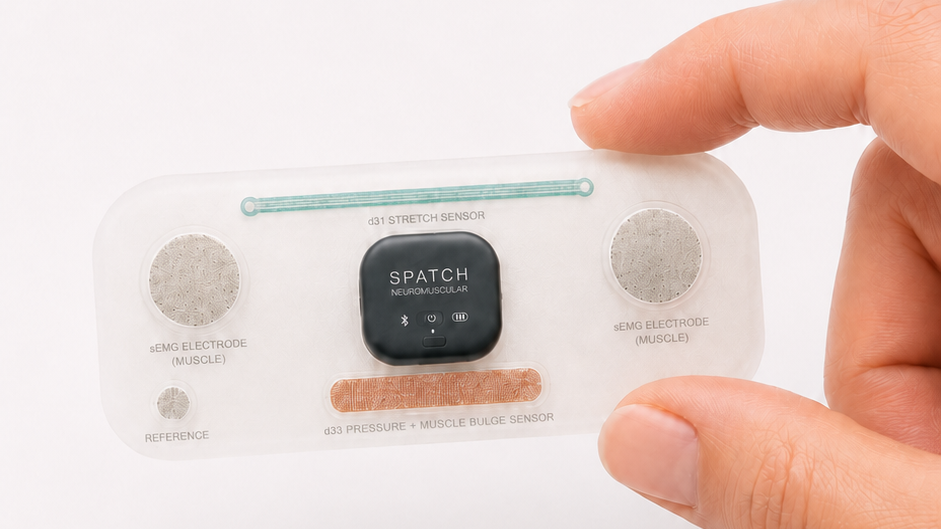
SPATCH Research-stage multimodal wearable
The missing interpretation layer
Today's point solutions measure electrical activation, external force or motion in isolation. SPATCH is designed to capture the neuromuscular chain—from electrical activation to tissue response and movement.
sEMG captures activation intensity, timing, fatigue trends and asymmetry.
Nanomembrane sensing captures pressure, stretch and dynamic muscle deformation.
IMU data identifies movement phase, speed, impact and posture in real time.
Synchronized signals reveal whether activation produces an effective response.
Built for the moments that matter
Objective neuromuscular data for rehabilitation, individual performance and elite training environments.
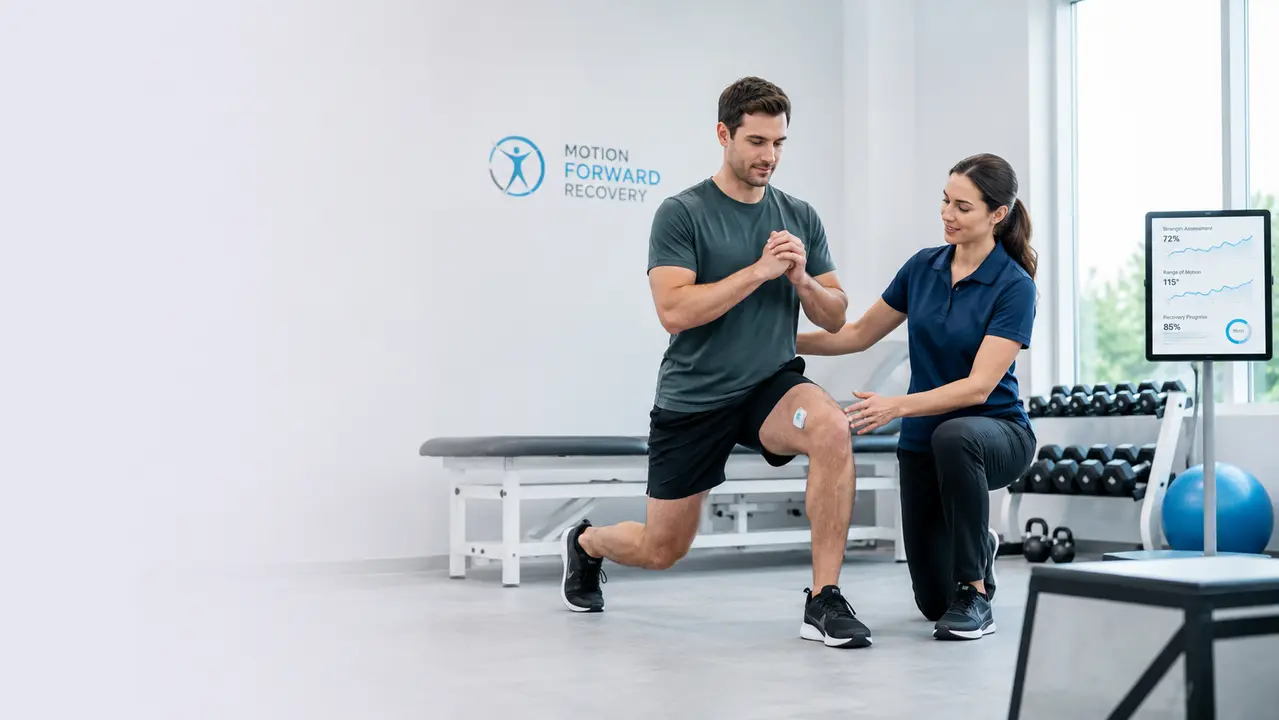 01Rehabilitation
Track activation, mechanical response and movement quality across guided sessions.
 02Running
Observe fatigue, muscle-specific loading and left-right asymmetry through real-world runs.
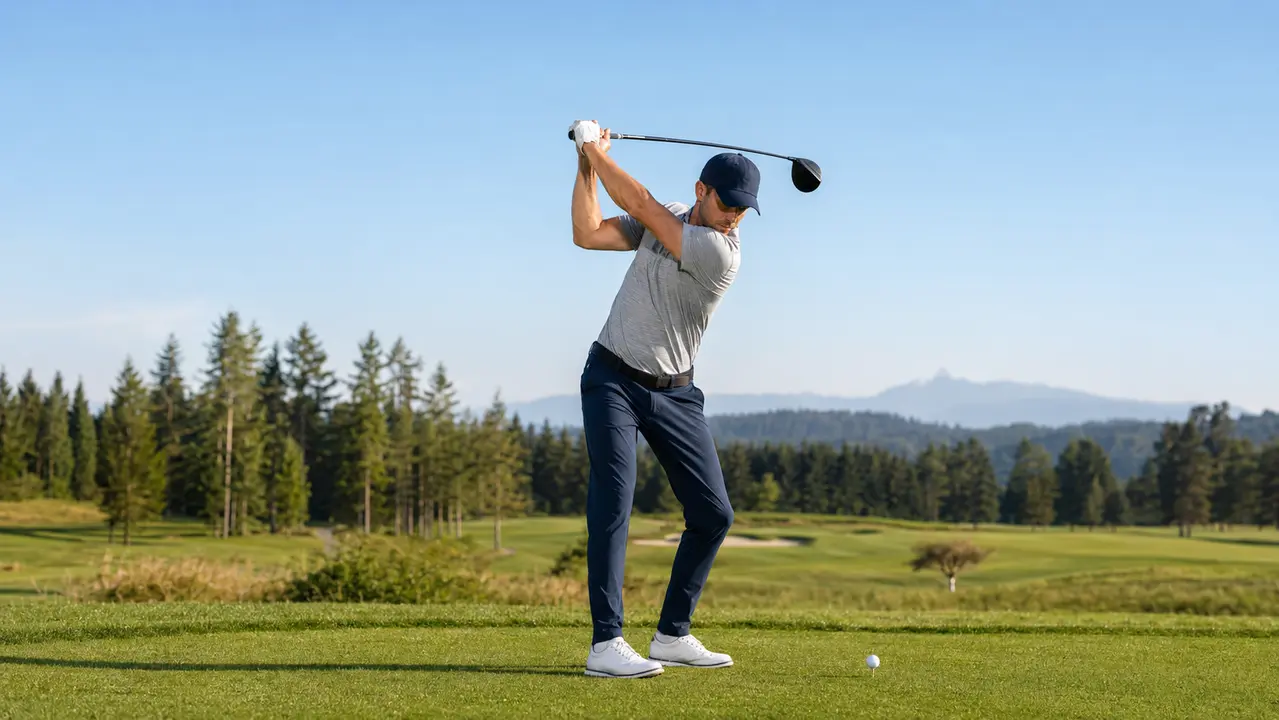 03Golf
Connect muscle timing and mechanical response across the phases of the swing.
 04Tennis
Study activation, rotational loading and fatigue during serves and repeated movement.
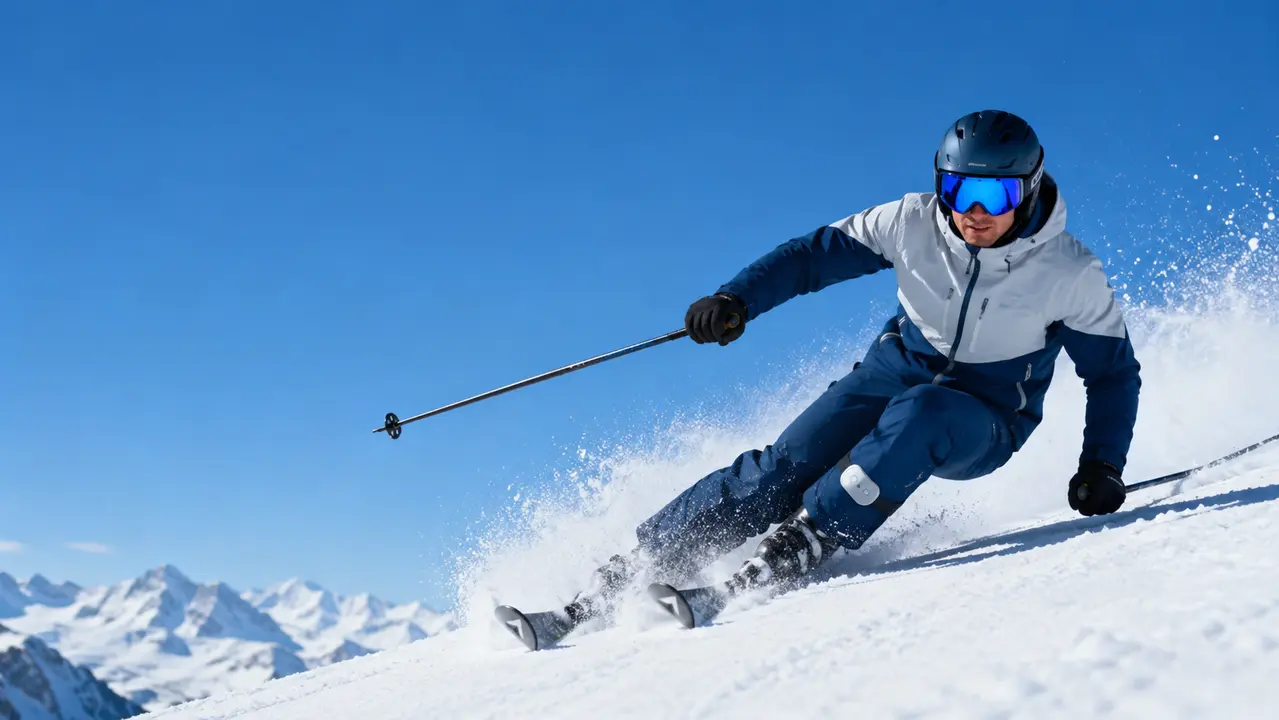 05Skiing
Capture fatigue, asymmetry and response through dynamic turns in real-world conditions.
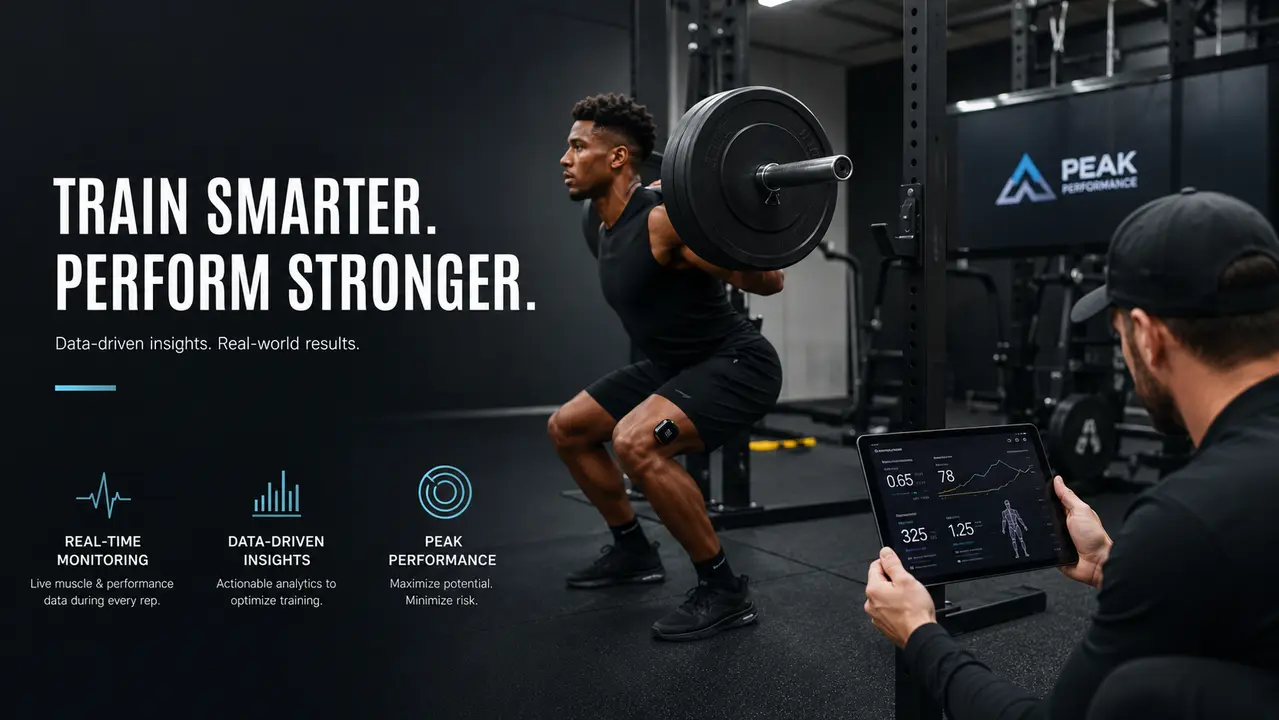 06Elite training
Establish baselines, monitor training load and surface compensation patterns across teams.
Research foundation
Early research demonstrates a self-powered, flexible mechanical sensing approach that can be synchronized with established sEMG and IMU signals in a compact wearable architecture.
Discuss the technical platform ↗SPATCH is not another activity tracker.
Prototype demonstrations
Early nanomembrane prototypes capture movement-linked mechanical signals during real sports and training tasks.
Coordinated elbow and wrist deformation signals are monitored through a complete shooting sequence.
Four sensing locations capture left/right shoulder and dorsal movement during a controlled training exercise.
Exploratory prototype demonstrations · Not a clinical-performance claim
The SPATCH technology platform
SPATCH connects signals that are usually measured apart, creating a synchronized view of muscle recruitment, mechanical output and the movement that follows.
Measures when and how strongly a muscle is recruited.
Shows how muscle tissue responds after activation.
Connects neuromuscular behavior to real-world movement.
SPATCH partnerships
Research collaborations·Clinical pilots·Performance partnerships